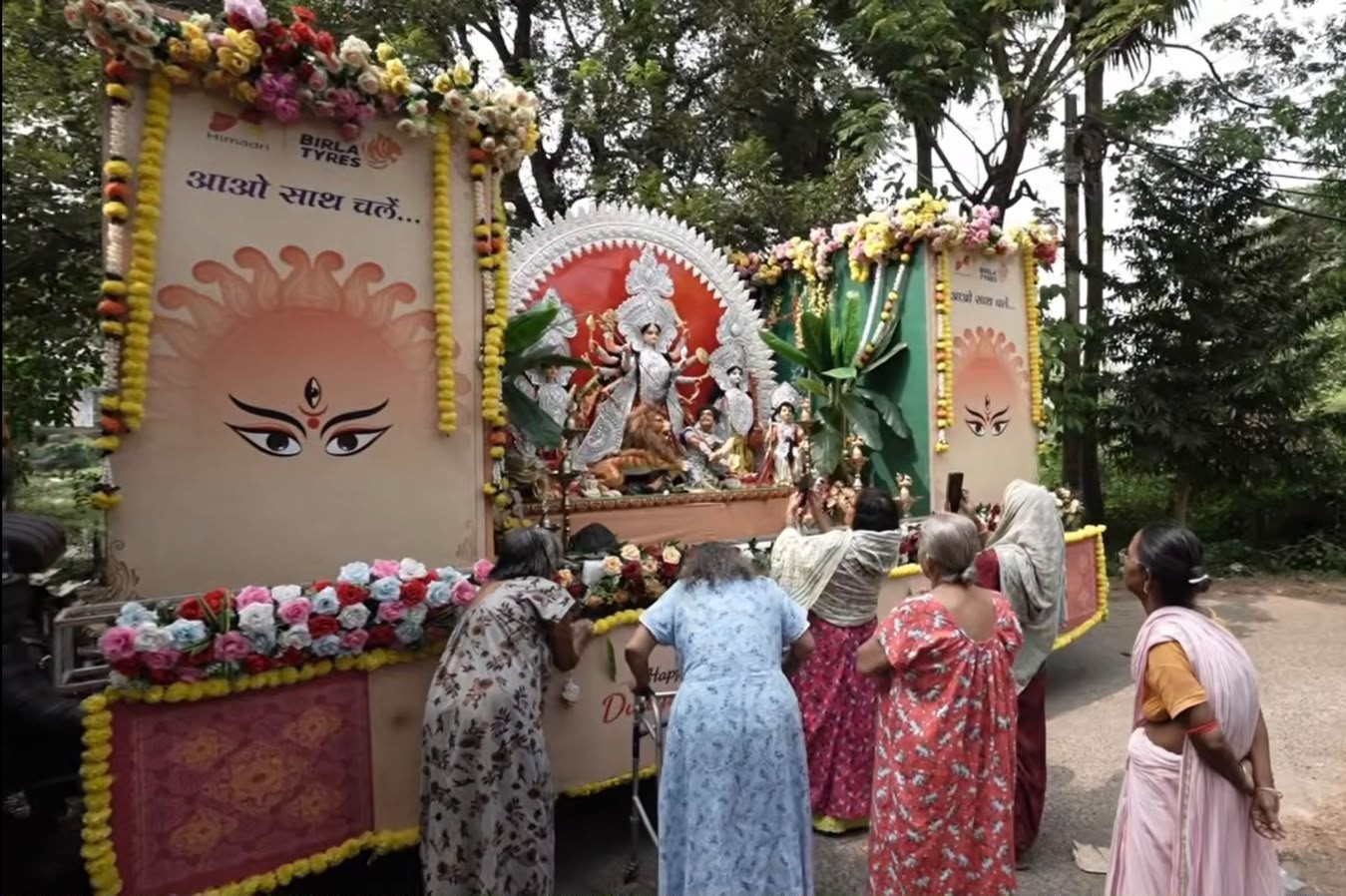

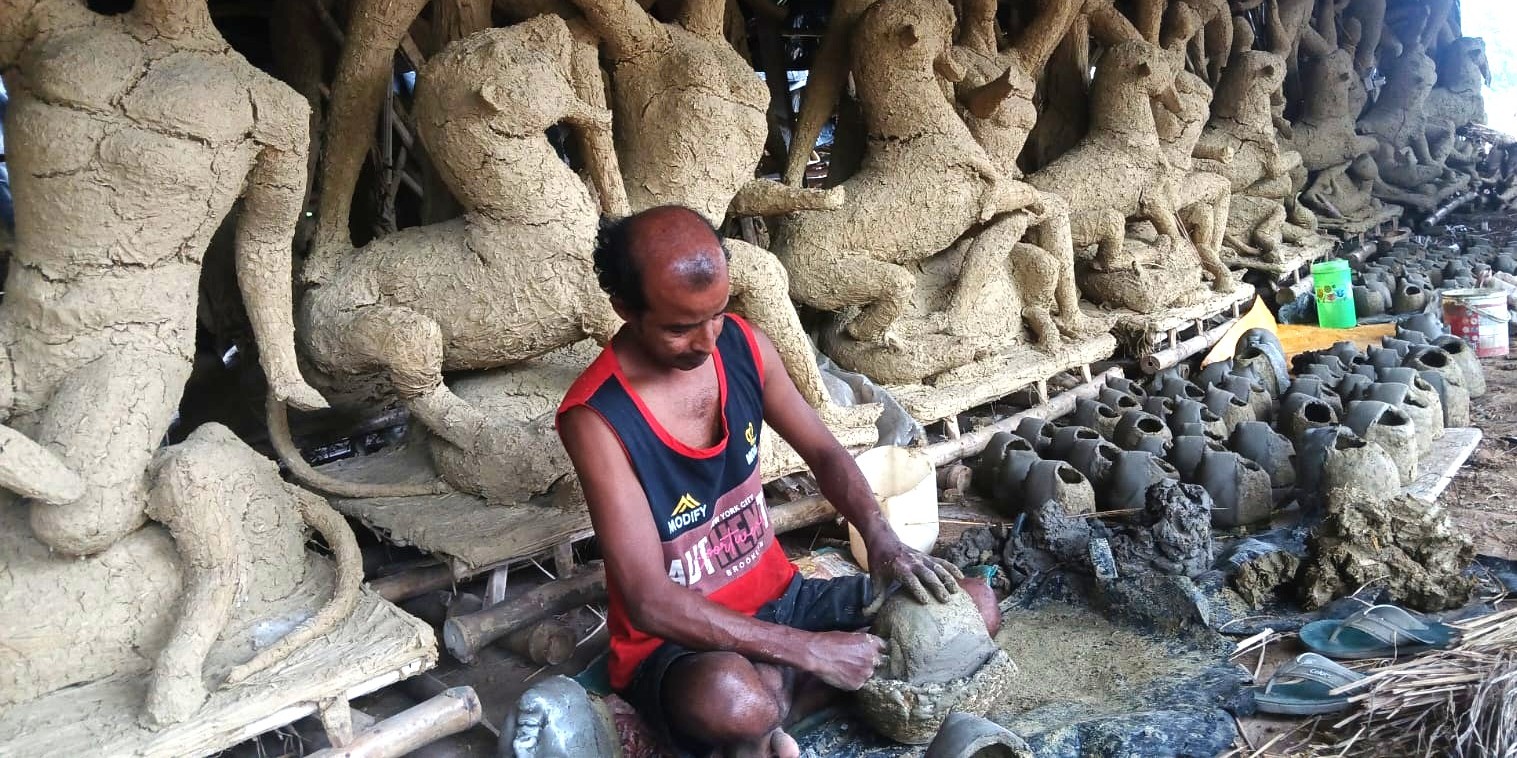
Newz Desk, Durgapur: A section of West Bengal’s artisan community has alleged that the ongoing shortage of clay, a key raw material for idol-making and earthen tea cup production, has worsened following the recent change in government, disrupting livelihoods and threatening production schedules ahead of the festive season.
Artisans from Kumartuli, the state’s renowned hub for idol-making, as well as makers of traditional earthen tea cups (bhaars) across the state, claim that restrictions on clay extraction and transportation, coupled with administrative uncertainties, have created a supply crunch over the past several weeks.
According to representatives of artisan associations, the shortage has affected both the production of Durga Puja idols and the manufacture of earthen cups used by tea vendors across the state.
“We are facing severe difficulties in procuring clay. The supply chain that existed earlier has been disrupted, and many artisans are struggling to continue their work,” said an office-bearer of a local artisans’ body.
Local artisans alleged that changes in administrative procedures and increased scrutiny of clay extraction activities have slowed the movement of raw materials from traditional sourcing areas, particularly from Nodiha Shyampur in Durgapur and other riverine location of the districts from Birbhum and Purba Bardhaman
Tea cup makers echoed similar concerns, saying that rising costs and irregular availability of clay have reduced production and increased uncertainty for thousands of workers dependent on the sector.
“The issue is not political for us. We simply need a steady and legal supply of clay. Without it, our livelihoods are at risk,” said a craftsman engaged in the production of earthen tea cups.
Artisan groups have urged the government to establish a transparent mechanism for the extraction, transportation and distribution of clay while ensuring compliance with environmental regulations.
The allegations have triggered a debate within the artisan community, with some blaming recent administrative changes for the crisis and others arguing that the shortage stems from long-standing issues related to illegal extraction, inadequate regulation and the influence of middlemen in the clay trade.
Government officials have not yet issued a detailed response to the allegations. However, artisan associations say they have sought meetings with the relevant authorities and are hopeful that steps will be taken to restore normal supplies.
With preparations for major festivals already underway and demand for earthen products expected to rise in the coming months, artisans warn that any prolonged disruption could have significant economic consequences for thousands of families dependent on Bengal’s traditional clay-based industries.