
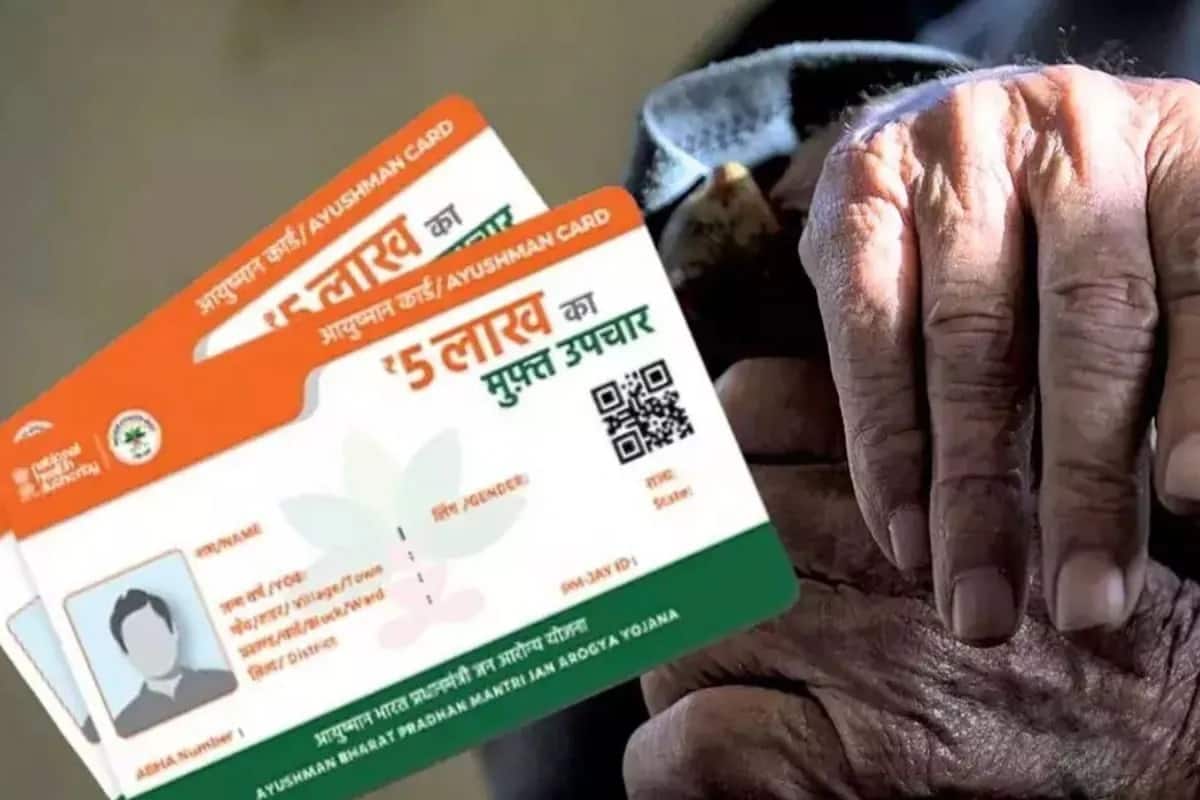
Newz Desk, Durgapur: Members of Parliament cutting across party lines have strongly urged the Centre to increase the health insurance cover under the Ayushman Bharat scheme from the current ₹5 lakh per family to at least ₹8 lakh, with several members advocating a hike to ₹10 lakh.
The demand was raised during a meeting of the Parliamentary Standing Committee on Health and Family Welfare on Wednesday, where accessibility and affordability of healthcare services in both the public and private sectors were discussed. Representatives of NITI Aayog also attended the meeting. According to sources, MPs from both the ruling NDA and the Opposition expressed concern that the existing insurance ceiling has become inadequate in view of the steep rise in medical treatment costs across the country.
Several members argued that the current ₹5 lakh cover is often exhausted quickly in the treatment of serious illnesses such as cancer, cardiac diseases and other complex medical conditions, leaving economically weaker families burdened with significant out-of-pocket expenses.
The committee members reportedly recommended raising the insurance cover to ₹10 lakh per family. If that is not immediately feasible, they suggested increasing it to at least ₹8 lakh to provide more meaningful financial protection to beneficiaries.
The issue had also figured in the Parliamentary Standing Committee’s report presented during the Budget Session, which recommended enhancing the insurance limit under the flagship health scheme. While NITI Aayog did not offer a definitive response during Wednesday’s meeting, sources indicated that discussions on revising the insurance ceiling have already begun within the Central government.
Ayushman Bharat, officially known as the Pradhan Mantri Jan Arogya Yojana (PM-JAY), currently provides cashless health insurance coverage of up to ₹5 lakh per eligible family annually for secondary and tertiary care hospitalisation. Any decision to enhance the coverage would significantly expand financial protection for millions of beneficiaries and could have major implications for public healthcare expenditure.