
Newz Desk, Durgapur: Even as the Narendra Modi government highlights its achievements over 12 years in power under the slogan “12 Saal – Vishwas ke, Vikas ke, Jan-Kalyan ke,” a recent decision to allow higher prices for several essential cancer medicines has triggered concern among patients and healthcare experts.
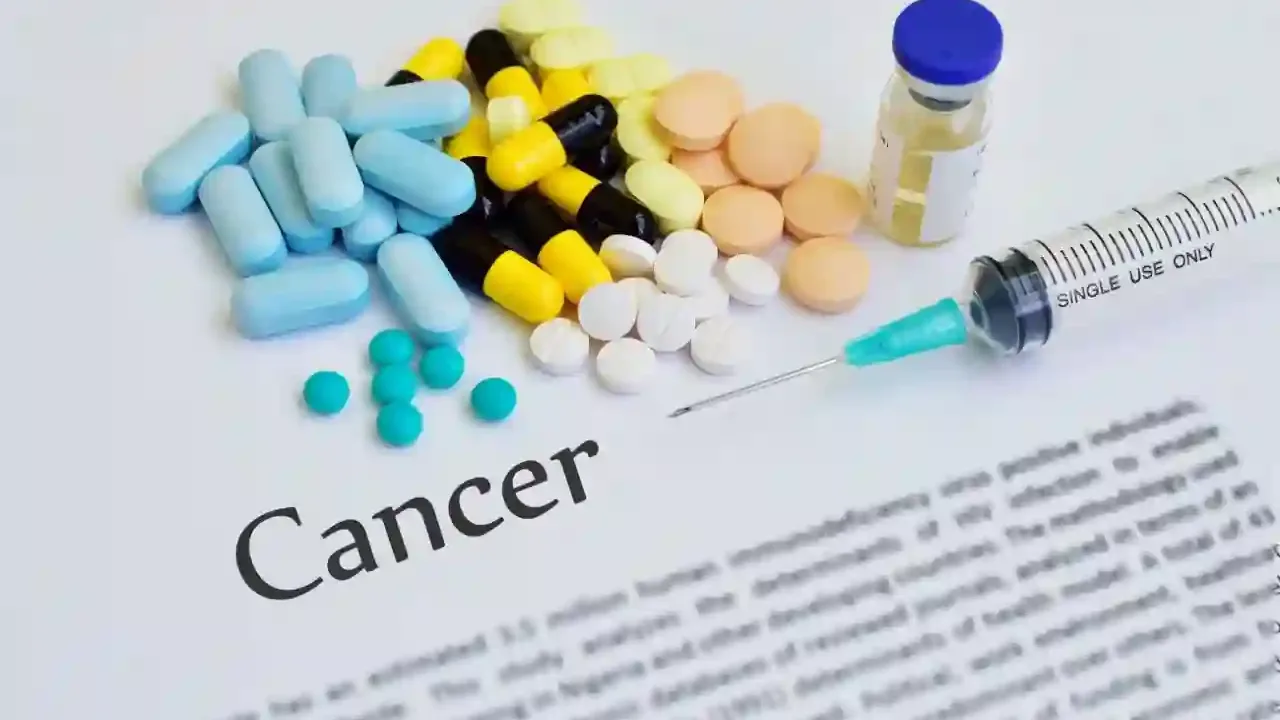
The Central Government has approved higher prices for a number of critical medicines used in cancer treatment, citing supply shortages and rising production costs. Officials argue that the move is necessary to encourage manufacturers to increase production and ensure a steady supply of life-saving drugs in the market.
According to government sources, shortages of several cancer medicines, including drugs commonly used in chemotherapy, have disrupted treatment schedules at hospitals and healthcare centres across the country. Authorities believe that allowing manufacturers to revise prices will help address these shortages and stabilize supplies.
The decision follows approval from the country’s drug price regulatory authorities. Industry representatives have welcomed the move, claiming that higher prices will make production economically viable and prevent further disruptions in the supply chain.
However, the decision has also triggered criticism from sections of the medical community and patient advocacy groups. Health experts warn that increasing the cost of essential medicines could place an additional financial burden on cancer patients and their families, many of whom already struggle with the high cost of treatment.
“There is a genuine need to address drug shortages, but affordability cannot be ignored,” said a public health expert. “Cancer treatment is already beyond the reach of many households, and any increase in medicine prices risks making healthcare even less accessible.”
Reports suggest that the direct and indirect impact of the decision could affect the prices of as many as 82 categories of medicines. While only a limited number of drugs have received approval for price revisions, experts caution that the ripple effects may extend across treatments for cancer and other serious illnesses.
The development comes at a politically significant moment, with the Centre highlighting its achievements in welfare, healthcare and economic development during its 12-year milestone celebrations. Opposition parties and health activists have questioned whether rising costs of essential medicines align with the government’s stated commitment to public welfare.
As the debate continues, patients and healthcare providers will be closely watching whether the promised improvement in drug availability materializes and whether adequate safeguards are introduced to protect vulnerable patients from escalating treatment costs.
Photo Courtesy @ Internet