


Newz Desk, Durgapur: The reported deaths linked to silicosis in neighbouring Purulia have raised fresh concerns over the health risks associated with industrial pollution in West Bengal’s major industrial belts, including Durgapur.
Around 13 people have reportedly died of silicosis in Purulia, with two deaths recorded as recently as August. A science awareness organisation has identified 20 potentially high-risk ‘Red Category’ industrial units and submitted a detailed report to the district administration, urging immediate action.
The concerns are particularly significant for Durgapur, which has a large concentration of heavy industries, including steel, sponge iron, cement, stone-crushing and other units. While there is no confirmed evidence presented here linking Durgapur residents to silicosis, environmental and public health concerns surrounding industrial emissions, dust and improper waste disposal warrant closer monitoring.
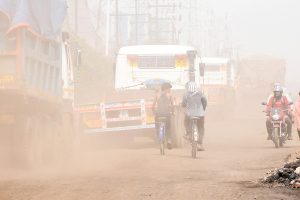
According to the organisation, areas surrounding quartz factories, stone quarries, cement plants, crushers and sponge iron units in Purulia are witnessing respiratory health problems. It has alleged that uncontrolled industrial pollution, along with the dumping of toxic ash, is damaging agricultural land and allowing smoke and heavy metals to enter the surrounding environment.The developments in Purulia have therefore prompted questions over whether similar health risks could emerge in Durgapur if industrial emissions and dust are not adequately controlled.
DR. PRASHANT KUMAR- PULMONOLOGIST, IQ CITY Medicial College & Hospital said ‘Silicosis is an irreversible occupational lung disease caused by prolonged inhalation of respirable crystalline silica dust. Workers in stone crushing, mining, quarrying, cement and certain industrial processes are particularly vulnerable. In an industrial belt like Durgapur, regular monitoring of workplace dust levels and periodic health screening of exposed workers are extremely important. Early detection, reduction of silica exposure and proper respiratory protection can significantly reduce the risk, because once silicosis develops, the lung damage cannot be reversed.”
Environmental groups have long stressed the need for regular health screening of workers employed in high-risk industries and residents living close to industrial units. They have demanded medical examinations for workers and people living within a five-kilometre radius of such facilities in Purulia. For Durgapur, the Purulia situation could serve as a warning. Regular monitoring of air quality, workplace exposure, industrial dust and waste disposal, along with health surveillance of workers and nearby communities, could help identify potential risks before they develop into a larger public health crisis.