
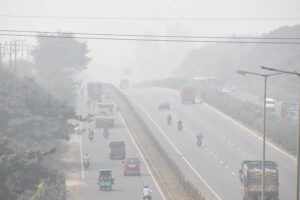
Newz Desk, Durgapur: The Supreme Court on Wednesday introduced a partial relaxation to Delhi’s long-standing restrictions on ageing vehicles, allowing the use of BS-IV compliant vehicles in the national capital, while maintaining a firm stance against older, more polluting engines. Durgapur, like Delhi, has a high presence of ageing vehicles, especially older two-wheelers, diesel goods carriers, and private buses. Many of these are BS-III or older engines, which emit higher levels of particulate matter (PM₂.₅), nitrogen oxides, and carbon monoxide.
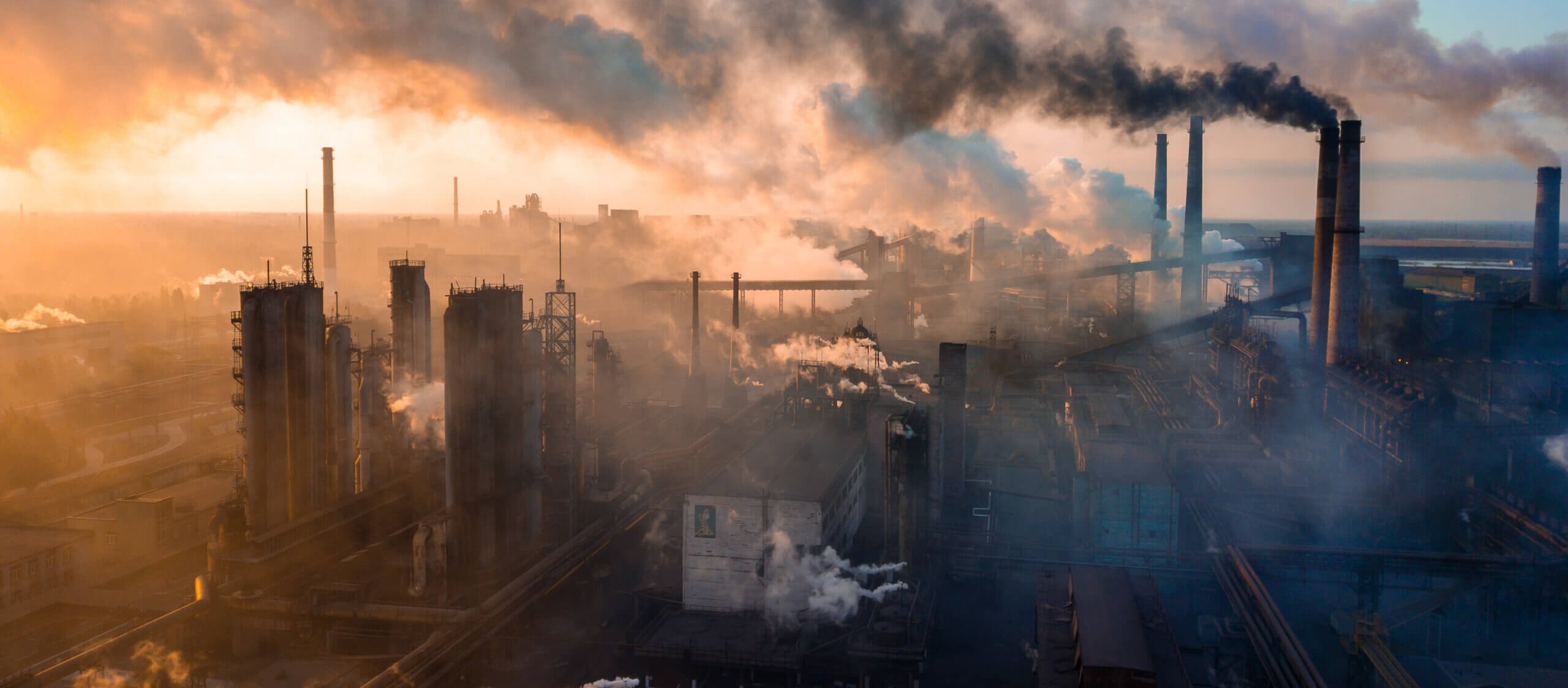
In Durgapur, idling vehicles during traffic jams and truck congestion near industrial belts similarly increase emissions, worsening local air quality. The Delhi case underlines how traffic management is as important as vehicle regulation in pollution control. While Delhi’s pollution is largely vehicular and construction-driven, Durgapur faces a combined burden of industrial emissions and transport pollution. The Supreme Court’s insistence on strict enforcement and data-backed decisions reinforces the need for tighter monitoring of both industries and vehicles in Durgapur, especially during high-pollution months.
Delhi Ruling on Polluting Vehicles Holds Lessons for Smog-Hit Durgapur
For Durgapur and other industrial cities in West Bengal, it underscores the urgency of:
- Phasing out older vehicles
- Improving traffic flow at choke points
- Integrating pollution control with urban planning
The Delhi case serves as a warning and a roadmap for Durgapur. As air quality deteriorates during winter due to industrial activity, vehicular emissions, and congestion, the measures discussed by the Supreme Court offer actionable insights that local authorities can adapt to prevent the city from sliding into a more severe pollution crisis.
Image courtesy@internet