
Newz Desk Durgapur: Spine specialists have called on school teachers in Durgapur to play a proactive role in identifying early signs of scoliosis among students, stressing that timely detection can prevent the condition from progressing into a permanent deformity.
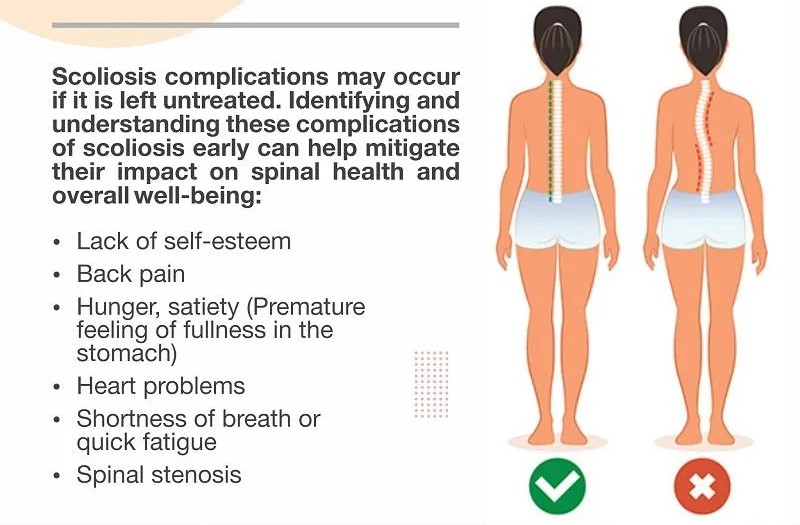
Doctors say scoliosis, an abnormal side-to-side curvature of the spine, often develops silently during adolescence, particularly around growth spurts. Early symptoms can be subtle and are frequently mistaken for poor posture. However, visible indicators such as uneven shoulders, a prominent shoulder blade, an uneven waistline, a tilted pelvis, or a back that appears to curve to one side should not be ignored.
“Scoliosis often goes unnoticed until the curve becomes more pronounced. Time lost can lead to a mild curve becoming severe,” said Saumyajit Basu, Consultant Spine Surgeon and Managing Trustee of SRF, a platform that works to spread awareness about spine disorders such as scoliosis and kyphosis.
Dr. Hardik Rajyaguru, Consultant Brain and Spine Surgeon based in Durgapur, emphasised the importance of early intervention. “Catch scoliosis early so kids never need surgery,” he said, underlining that bracing during the growth phase can often prevent the need for surgical correction later.
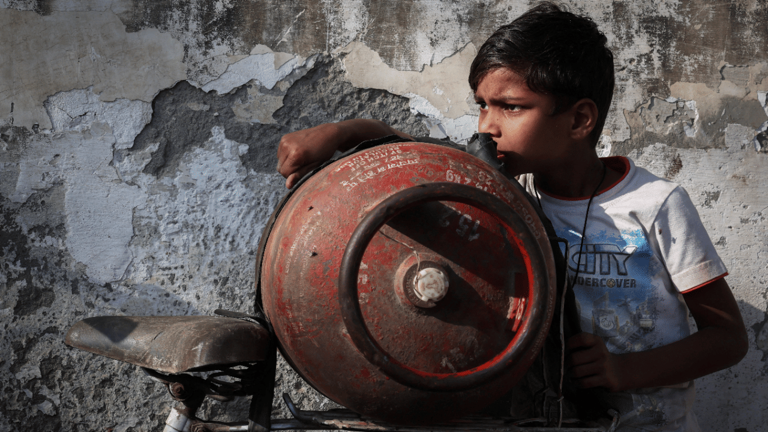
Medical experts clarified that while heavy school bags are commonly blamed for spinal issues, they do not cause idiopathic scoliosis. “Bags may worsen discomfort or make existing symptoms more noticeable, but they are not the root cause,” doctors explained. Idiopathic scoliosis, the most common type, has no clearly known cause, though research suggests it can run in families.
Other types include congenital scoliosis, a rare condition present at birth due to improperly formed vertebrae, and neuromuscular scoliosis, which is linked to abnormalities in the muscles and nerves supporting the spine. The latter is often associated with neurological or muscular conditions such as cerebral palsy, spina bifida, muscular dystrophy, or spinal injuries.
Specialists pointed out that delayed diagnosis poses the biggest risk. While some mild cases may only require monitoring, severe curves can lead to visible deformity, pain, and in extreme situations, breathing complications. Treatment options range from regular observation and bracing to surgical correction, depending on the severity and progression of the curve.
Teachers in several schools have responded positively to the appeal, stating they will be more attentive to posture-related changes among students and inform parents if abnormalities are noticed.
Adding a patient’s perspective to the awareness drive, scoliosis survivor Maitreyee Banerjee announced the launch of “Scoliosis Support India,” a peer-led community designed to support patients and families through diagnosis, treatment, and recovery. She emphasised that early recognition and timely medical care can significantly improve long-term outcomes and quality of life.
Experts believe that routine school-level screening and greater awareness among educators and parents could make a crucial difference in protecting children’s spinal health.