
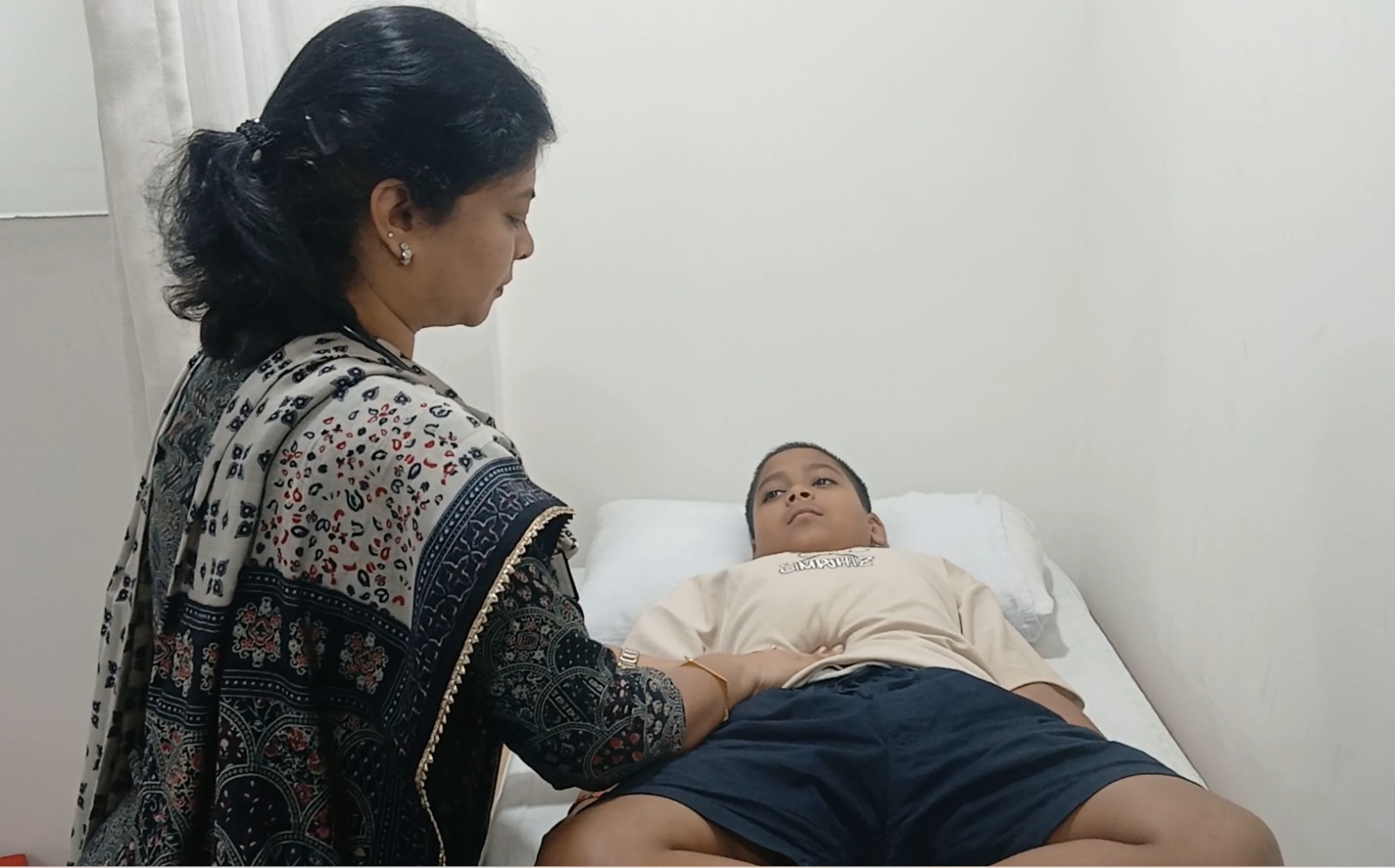
Dr. Sudha Ekambaram described the importance of ‘Clean school toilets matter for kids’
Newz Desk, Durgapur: India is witnessing a concerning rise in kidney-related disorders among children, a trend that often goes unnoticed until it becomes severe. As a paediatric nephrologist Dr. Sudha Ekambaram- Paediatric Nephrologist Apollo Hospital Chennai speaking at an awareness season organised in Apollo Information Centre, Durgapur said ‘I see firsthand how delayed diagnosis, lack of awareness, and preventable causes are putting young lives at risk. Prevention, therefore, becomes critical. Simple steps such as ensuring adequate hydration, timely treatment of infections, and avoiding unnecessary medications can significantly reduce the risk. Regular screening for children with recurrent urinary infections or a family history of kidney disease is equally important.’
Dr. Sudha Ekambaram- Paediatric Nephrologist added ‘Schools and parents must also play a proactive role. Encouraging healthy eating habits, reducing excessive salt intake, and promoting awareness about early warning signs can make a meaningful difference. Kidney disease in children is not just a medical issue; it is a public health concern. With timely intervention and awareness, many of these young lives can be protected from lifelong complications. Many children, especially girls, avoid using school toilets due to poor sanitation, lack of water, or privacy concerns. As a result, they tend to “hold in” urine for prolonged periods, often for the entire school day. This seemingly harmless habit can have significant medical consequences. Holding urine regularly increases the risk of urinary tract infections (UTIs), which, if recurrent or untreated, may lead to kidney damage over time. In younger children, repeated UTIs are a known contributor to long-term complications, including renal scarring and even chronic kidney disease in severe cases.

Another issue linked to inadequate toilet facilities is reduced water intake. Children often avoid drinking water to minimise the need to use unhygienic toilets. This leads to dehydration, which not only affects concentration and overall health but also increases the risk of kidney stones and acute kidney injury in extreme conditions. Investing in clean school toilets is not just about dignity or convenience. It is a critical step in safeguarding children’s long-term kidney health. Ignoring this link today could mean facing a larger burden of preventable kidney disease in the future.