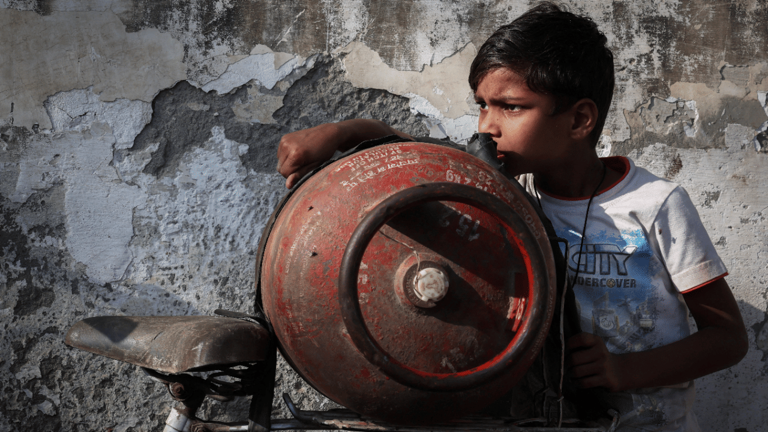

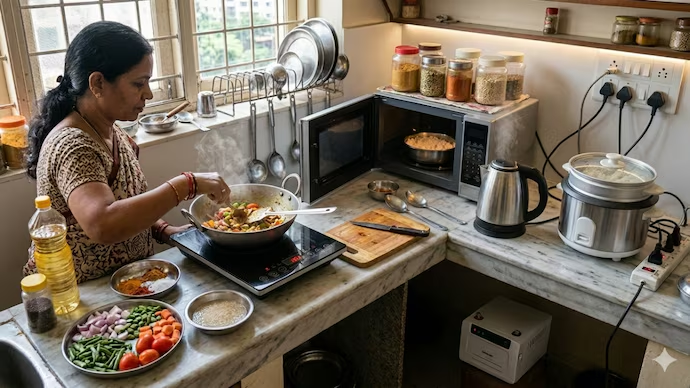
Newz Desk, Durgapur: As LPG supplies come under strain, a growing number of households are exploring electric cooking options such as induction and infrared cooktops. The shift promises convenience and efficiency, but it also brings a key challenge: not every utensil works on every cooktop. In Indian kitchens, where cooking often involves kadhais, tadka, bhuna masala, shallow-frying and deep-frying, choosing the right cookware becomes essential.
Induction vs infrared, what’s the difference?
An induction cooktop heats the vessel directly and works only with utensils ‘that have a magnetic base. An infra- red cooktop heats the surface first and can work with a wider variety of utensils. It is generally less fussy, though it still performs best with flat- bottom cookware.
Which vessels/utensils will work on induction?
If a magnet sticks firmly to the bot- tom of the vessel, it will usually work on induction. If it does not, it prob- ably will not. Utensils sold as “induc- tion compatible” are the safest option! These usually work well:
- Cast iron
- Carbon steel
- Enamelled iron
- Some stainless steel
- Vessels with a magnetic base
Which utensils usually do not work on induction?
These generally do not work unless they have a special induction base:
- Pure aluminium
- Copper
- Glass Ceramic
- Non-magnetic stainless steel
Is infrared easier to use?
One of the advantages of infrared cook- tops is that they are usually more flex- ible in terms of cookware. But that does not mean every vessel performs equally well. Heavy, flat-bottom utensils still give the best results. Three things matter most in choosing a vessel for infra- red: a flat bottom, a thick or heavy base and good stability on the cooktop.
Thin, warped or rounded vessels heat unevenly and are less efficient.
Can you use your regular kadhai?
Only if it has a flat enough bottom. That is where many Indian households run into trouble. A traditional kadhai often has a rounded bottom. On induction, the cooktop may not sense it properly. On infrared, it may heat, but not efficiently.
For Indian cooking, a flat-bottom, heavy-gauge kadhai is the safest and most practical choice.
Good options include:
- Tri-ply stainless steel kadhai with induction base
- Cast iron kadhai
- Flat-bottom carbon steel kadhai
Is aluminium a bad choice?
Not always. For induction, plain aluminium usually will not work unless it has an induction-compatible base. For infrared, aluminium can work well but thin aluminium is not ideal. It can heat unevenly and may warp.
The same rule applies for tawas, frying pans and pressure cook- ers. For induction, choose utensils marked ‘induction base’. For infra- red, most will work if the base is flat and sturdy.
Can you deep-fry on induction and infrared?
Yes, but choose the right vessel. For fry- ing, the utensil should be flat and heavy- bottomed and wide enough for stability. Don’t overfill it with oil.
A light, narrow or rounded kadhai can be unstable on a glass-top surface. A wide, heavy, flat-bottom kadhai is better.
Can you make rotis and baingan bharta on these?
Yes, you can make rotis on induction and infrared, but without an open flame, you won’t get the classic phul- ka puffing. You can puff it up a little by pressing gently on the tawa or us- ing a separate method. A flat, heavy iron or steel tawa works best-thin tawas often heat unevenly.
Infrared can feel closer to gas than induction for rotis since it heats more like a traditional hotplate. Many rotis turn out poorly on cooktops because of the tawa, not the cooktop.
Similarly, brinjal can be roasted on a pan, but without direct flame it won’t develop the same smoky, charred flavour as traditional bharta. On a tawa or pan, the brinjal can sof- ten and brown a bit.
Ways people do it without gas:
- Oven/OTG/ air fryer
- Electric grill
- Pan roast + smoked charcoal finish after
- Microwave/steam first, then sauté
Will frying, kadhai cooking be different from cooking on gas?
Yes, especially on induction. It heats very quickly, so people used to gas should avoid immediately switching to the highest setting. Start lower and increase gradually. That helps prevent overheating, smoking oil, or burning masala.
Indian cooking typically relies on curved kadhais, intense direct heat and frequent tossing conditions that don’t align seamlessly with flat electric cooktops. But for most home cooking, a flat-bottom kadhai is the best workaround.
Can you use old vessels with an induction converter plate?
It is possible, but it is usually not the best solution. Converter plates re- duce efficiency and control. In most cases, it makes more sense to buy two or three good induction-compatible utensils instead of trying to adapt
everything. A practical starter set that covers most daily Indian cooking would be:
- One flat-bottom induction-compatble kadhai
- One flat tawa or frying pan
- One induction-base
- Saucepan or pressure cooker
In courtsey @TOI